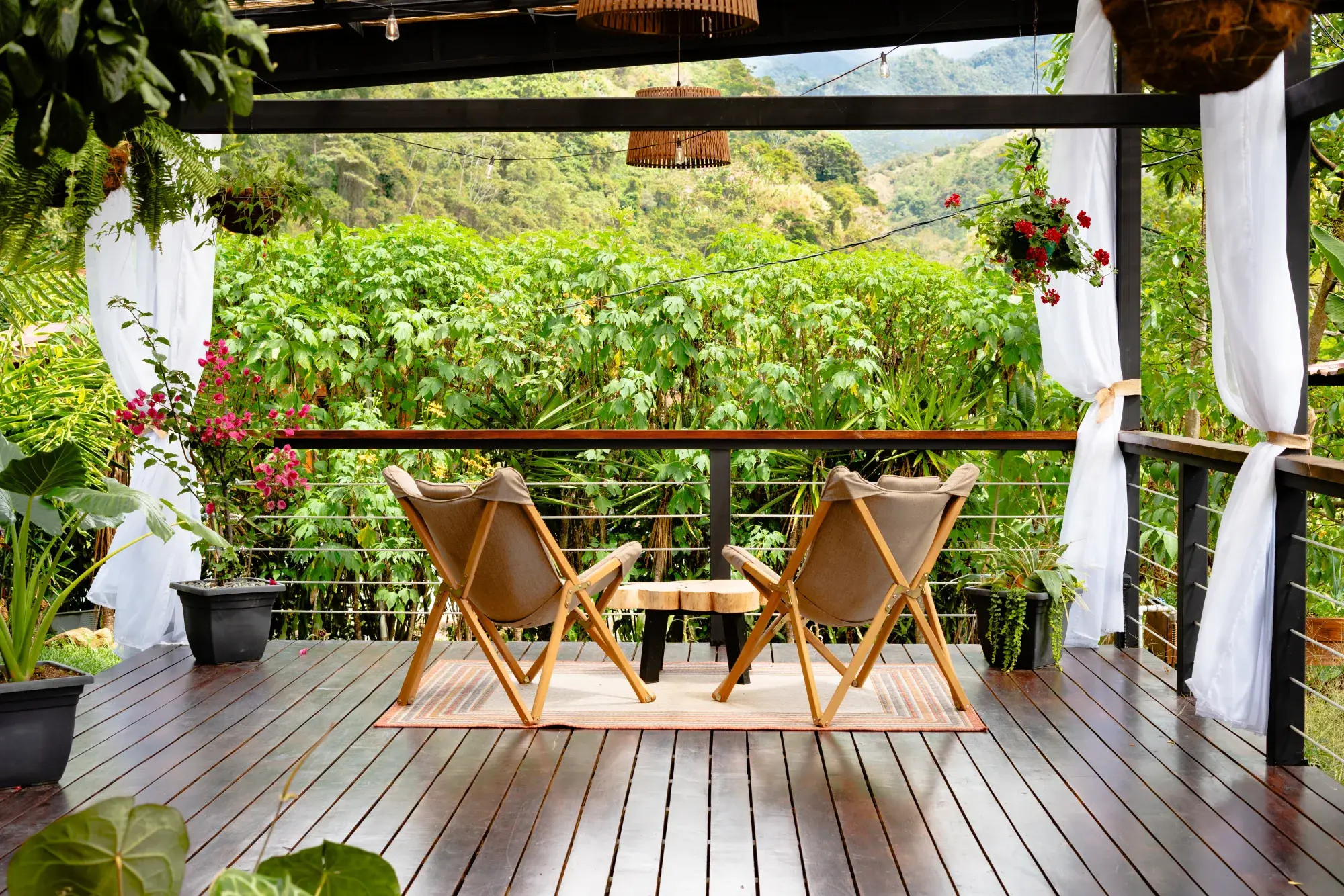
An Investment Property in Costa Rica with a Business Built In
Three rentable residences, a yoga pavilion, and the infrastructure of a boutique operation, already renovated, furnished, and ready to earn.
Why This Estate Works as an Investment
A Costa Rica investment property earns its keep through scarcity, demand, and readiness. This estate holds all three: a rare multi-residence configuration, a proven visitor corridor, and a 2026 renovation that removed the usual years of setup.
A scarce asset class
Turnkey multi-residence estates in the mountains above Dominical rarely reach the market. Most inventory here is raw land or a single home that needs years of permits and construction before it earns anything.
Year-round demand
The Dominical corridor draws surfers, naturalists, and wellness travelers through both the dry and green seasons. Guests come for the coast and stay for the mountains.
Remote work has changed stays
High-speed internet and a month-friendly layout put the estate in front of a growing segment: remote professionals booking weeks, not weekends.
Wellness tourism keeps growing
Retreat travel is one of the strongest segments in Costa Rican tourism, and the yoga pavilion gives this property a purpose-built anchor for it.
The estate sits in the hills of Pérez Zeledón, about 20 minutes from Dominical Beach and about 25 minutes from San Isidro de El General.Read the full area guide for the corridor's beaches, waterfalls, and market context.
A Turnkey Eco Lodge, Wellness Retreat, or Boutique Hotel
Buyers searching for an eco lodge for sale in Costa Rica, or a mountain retreat for sale anywhere in the tropics, usually face a choice: pay a premium for an operating business, or buy land and spend years building. This estate is the practical middle path, the complete physical plant of a boutique operation without an inflated goodwill price.
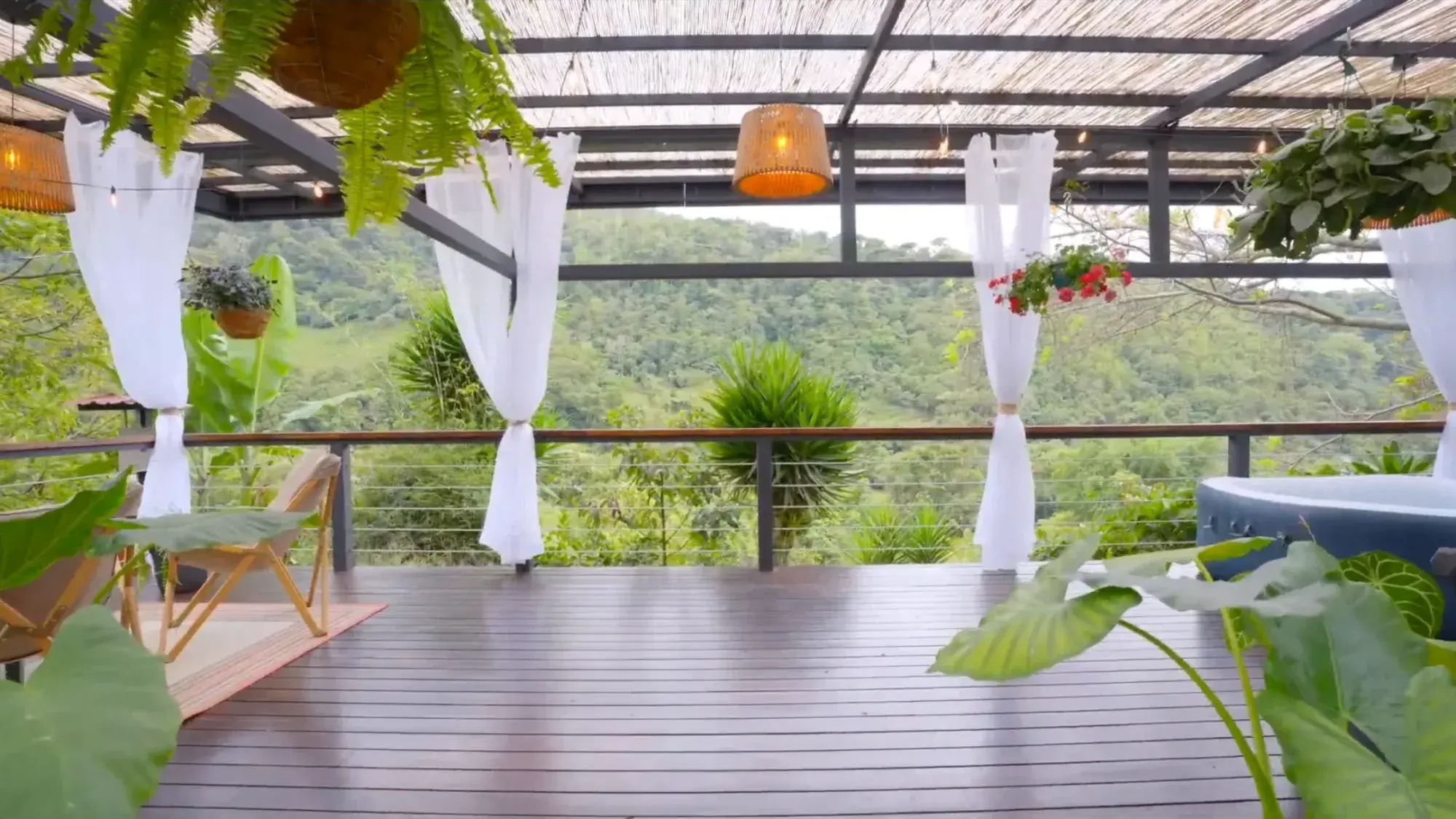
The layout maps directly onto operations. The main residence serves as owner or host quarters. Christine's Casita and the studio cabin work as self-contained guest units with their own entrances and privacy. The yoga pavilion anchors the property as a retreat center, with room for classes, workshops, and evening sessions around the hot tub. The bodega handles the back of house.
That flexibility covers several business models: a bed and breakfast with hosted breakfasts on the main deck, a small boutique hotel of independent suites, or a retreat property that books visiting teachers and their groups for a week at a time.Full specifications and floor plans show how the residences relate on the land.
| Space | Role in operation |
|---|---|
| Main Residence | Owner or host quarters, 2 bedrooms and 2 baths, renovated in 2026 |
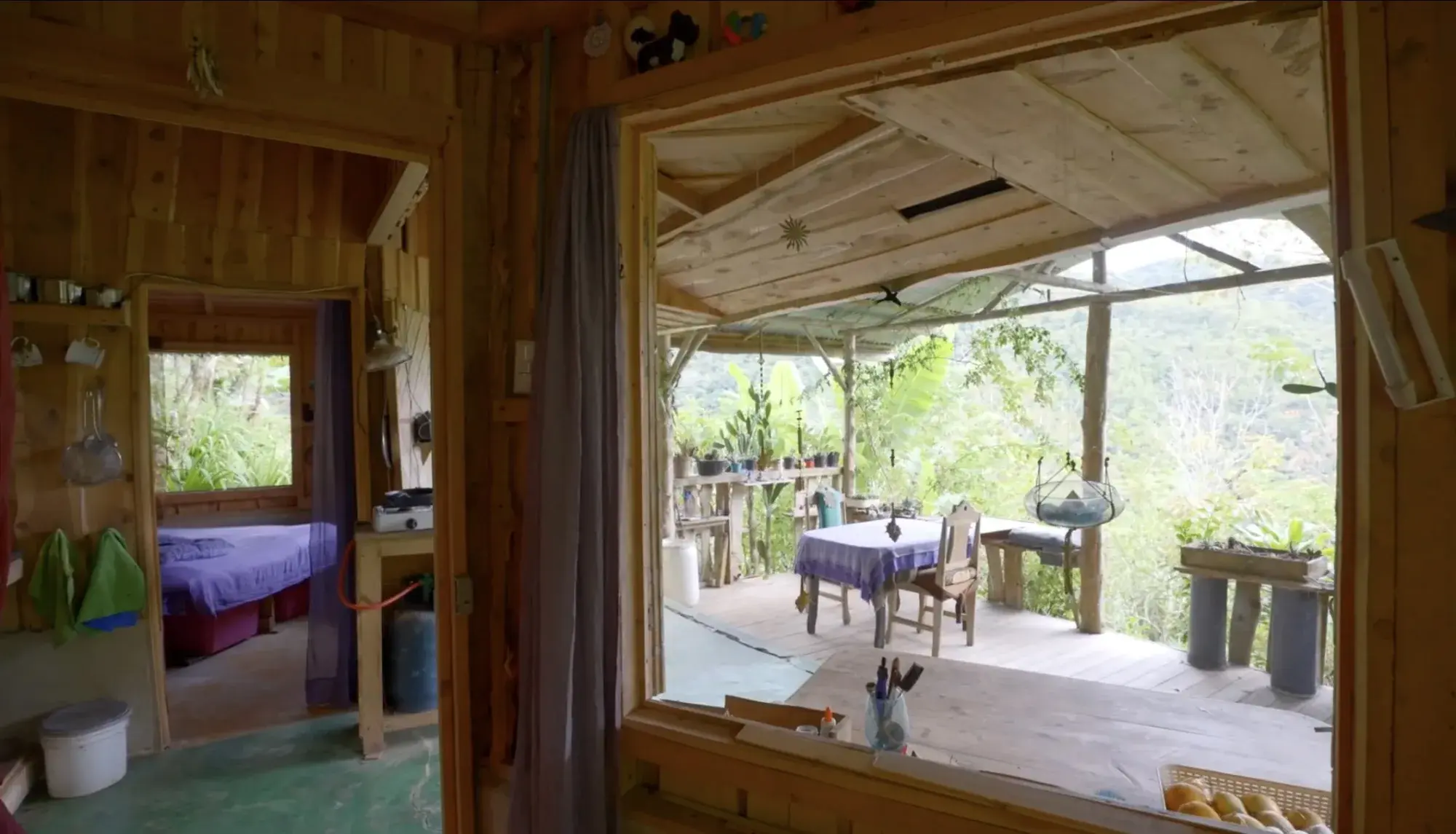
| Christine's Casita | Self-contained guest unit with 2 bedrooms, deck, and open-air kitchen |
| Studio Cabin | Third guest unit, caretaker residence, or staff quarters |
| Yoga Pavilion | The retreat anchor: classes, workshops, and evening sessions with hot tub |
| Bodega | Back-of-house storage for linens, supplies, and equipment |
Rental and Airbnb Income Potential
Three independent residences mean multiple simultaneous bookings, or a single whole-estate buyout for retreats and family gatherings. For buyers looking at an Airbnb for sale in Costa Rica, that is the difference between one calendar and three.
Comparable luxury properties in the Dominical area currently position between $400 and $800+ per night, depending on season and residence. Peak season runs December through April, when North American demand is strongest, and the green season increasingly fills with retreat groups and long-stay remote workers. Because the units rent separately, the estate can host guests in the casita and cabin while the owners live in the main residence, or run all three at once underlocal professional management.
Actual performance depends on rates, management, and market conditions. Detailed projections are available in the information package.
- Independent rental units
- 3
- Per night, luxury segment
- $400 to $800+
- Peak season
- Dec to Apr
- Bedrooms / baths across units
- 5 / 5
How Buying Property in Costa Rica Works
Costa Rica is one of the most straightforward countries in Latin America for foreign buyers. Foreigners hold fee-simple title with the same rights as citizens, with no residency requirement.
Offer and negotiation
Terms are agreed in a written purchase agreement, typically with a refundable deposit held in escrow while due diligence runs.
Due diligence with a Costa Rican attorney
Your attorney verifies title in the National Registry, confirms boundaries and water rights, and checks for liens or encumbrances.
Escrow
Funds move through a licensed Costa Rican escrow company, which protects both sides until every condition is met.
Transfer and registration
A notary public executes the transfer deed and registers the new title. Closing costs typically run a few percent of the purchase price.
Ongoing costs are modest: annual property tax is 0.25% of the registered value, and a solidarity tax, known as the luxury home tax, can apply to high-value construction. Have your attorney confirm both for this property. We recommend every buyer engage independent Costa Rican legal counsel rather than relying on any party to the transaction.
Investing in Costa Rica, answered plainly
The questions serious buyers ask before requesting the information package.
Can foreigners buy property in Costa Rica?
Yes. Foreigners can own titled property in Costa Rica outright, in fee simple, with the same rights as citizens. No residency or citizenship is required, and title can be held personally or through a Costa Rican corporation. The standard safeguard is an independent attorney who verifies title in the National Registry before closing.
What are property taxes in Costa Rica?
Annual property tax is 0.25% of the registered property value. A solidarity tax, often called the luxury home tax, can also apply to residences whose construction value exceeds the government threshold. Have your attorney confirm both figures for this property during due diligence.
Is buying property in Costa Rica a good investment?
Costa Rica offers the conditions investors look for: a stable democracy, a strong tourism economy, and steady North American demand in areas like the Dominical corridor. No property purchase carries guaranteed returns, and outcomes depend on the asset, its management, and the market. A turnkey, income-ready estate removes much of the execution risk that raw land carries.
What are common pitfalls when buying in Costa Rica?
The classic mistakes are skipping formal due diligence, buying land with unregistered water rights, and purchasing sight unseen. Water stops more rural projects than anything else, since a registered source is required to build and operate legally. A private spring supplies this estate, and water documentation is provided in the information package for your attorney to verify during due diligence. Paved access and completed, renovated structures settle the other common risk factors before you begin.
Can I run this property as a business?
Yes. The estate is configured for vacation rental across three independent residences, hosted retreats built around the yoga pavilion, or a small bed and breakfast. Local property management companies in the San Isidro and Dominical area can handle bookings, housekeeping, and guest services for owners who spend part of the year abroad. Operating considerations are covered in the information package.
Request the investment package
Financial detail, floor plans, and operating considerations, prepared for serious buyers. Private showings are available in person or by live video.